
Optimal Timing for Fire Restorations
Determining the optimal time for fire restorations depends on factors such as weather conditions, fire seasonality, and property accessibility. Generally, the most suitable periods are during mild weather months when moisture levels are manageable, and external conditions facilitate thorough cleanup and repairs.
These seasons often provide favorable weather for fire restoration projects, with moderate temperatures and lower humidity levels that aid in drying and cleaning processes.
Fire restoration can be effectively conducted during these months, especially before winter sets in, to ensure structures are stabilized and protected from harsh weather.
Initiating restoration shortly after fire incidents allows for timely mitigation, preventing further damage and reducing long-term costs.
Avoiding extreme weather conditions such as heavy rain or snow is crucial, as these can hinder restoration efforts and compromise structural integrity.
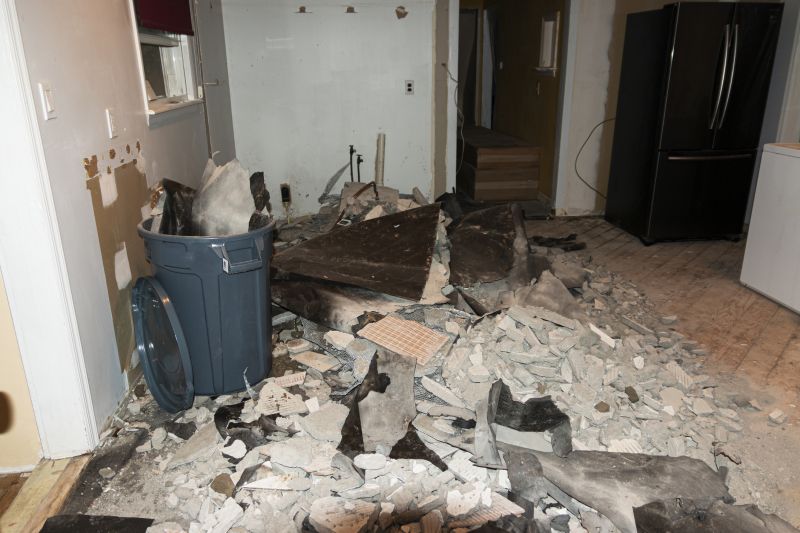
Removing debris and damaged materials is most effective in dry, mild weather conditions.
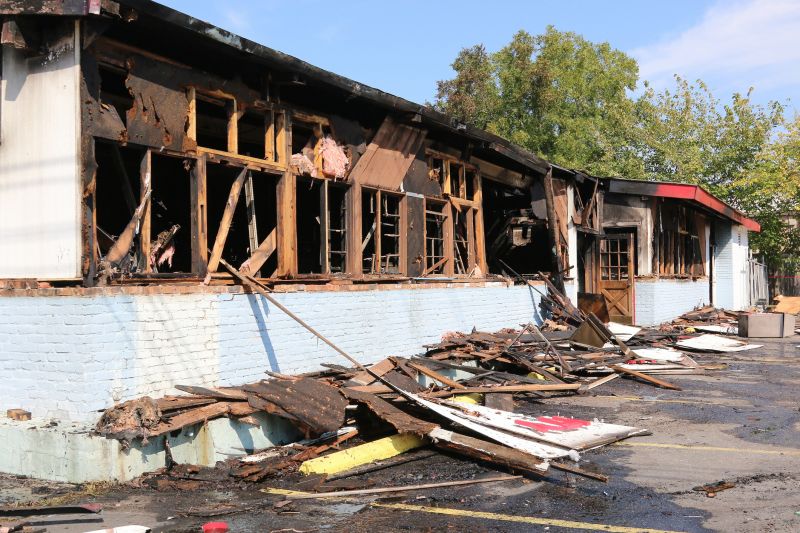
Repairing and rebuilding structures is best performed during seasons with stable weather to ensure safety and quality.
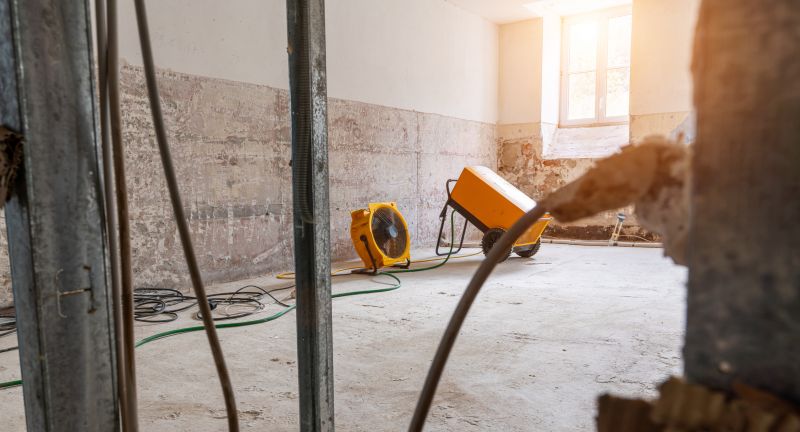
Restoring belongings and contents is facilitated by low humidity and moderate temperatures.
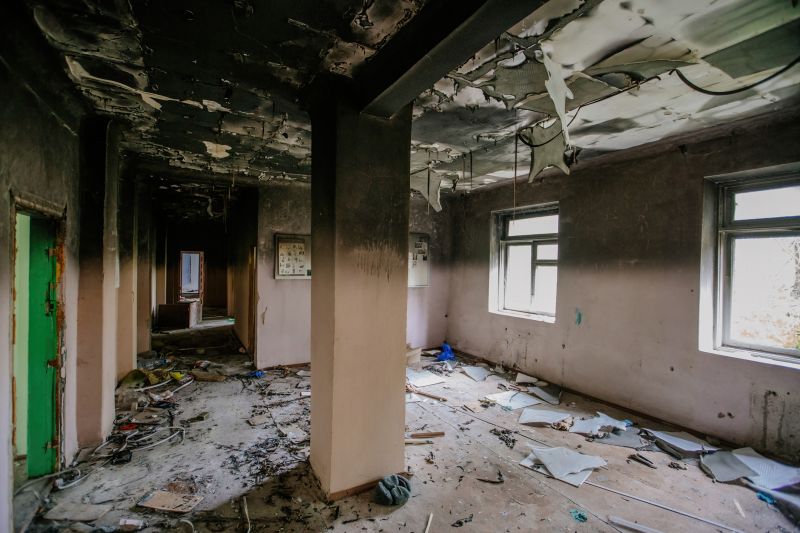
Ways to make Fire Restorations work in tight or awkward layouts.
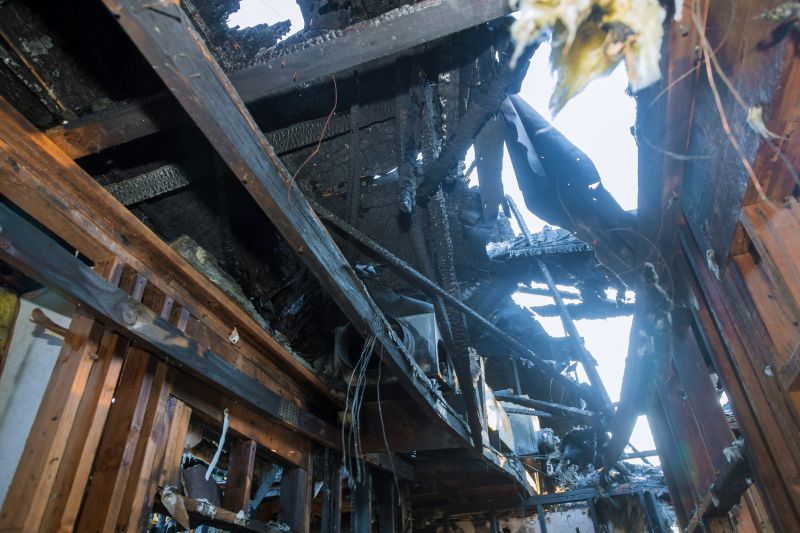
Popular materials for Fire Restorations and why they hold up over time.
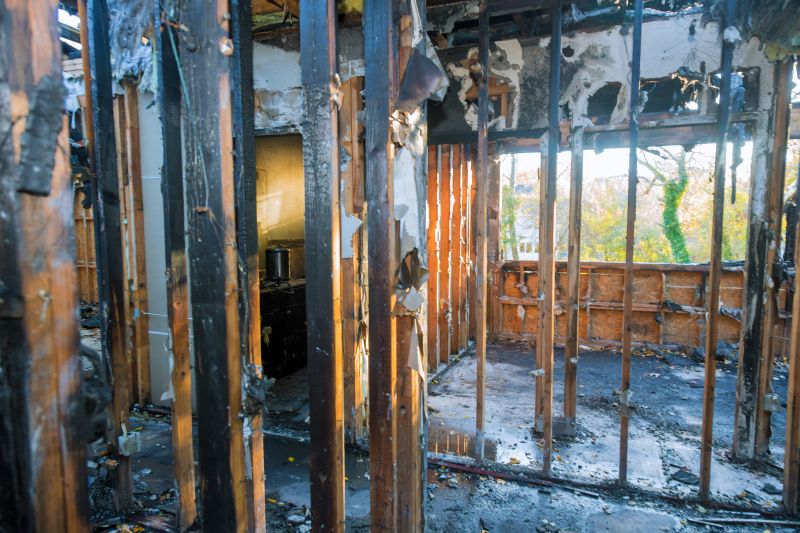
Simple add-ons that improve Fire Restorations without blowing the budget.
| Season | Ideal Conditions |
|---|---|
| Spring | Moderate temperatures, low humidity |
| Summer | Warm, dry weather, before peak fire season |
| Fall | Cooler temperatures, dry conditions |
| Winter | Not ideal due to cold and potential snow |
Effective fire restoration requires careful planning around seasonal and weather patterns. Ensuring conditions are suitable can improve the quality and durability of repairs, leading to safer and more resilient structures. Properly timed restorations also help in managing moisture levels, which is critical for preventing mold growth and secondary damages.
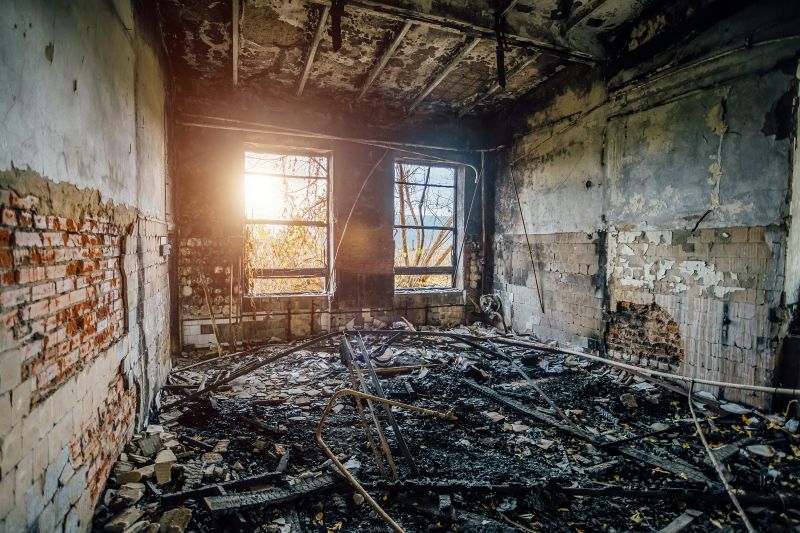
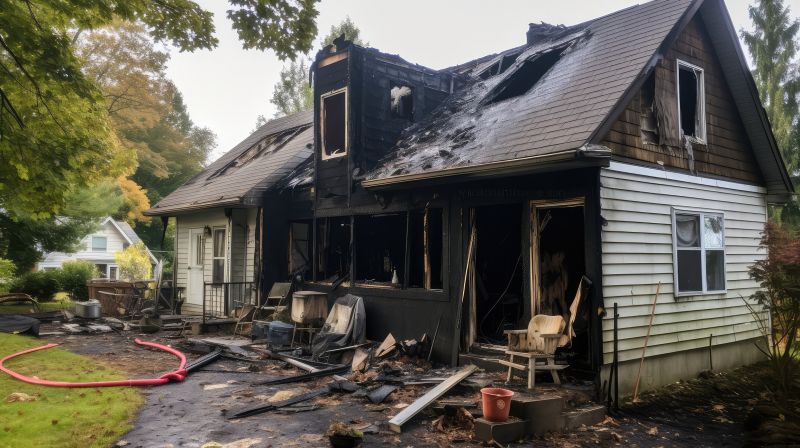
Initial damage assessment and debris removal.
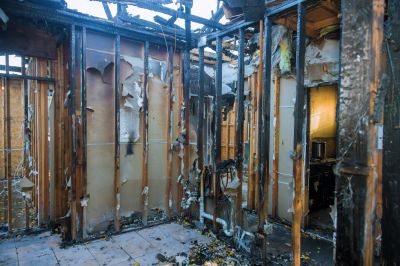
Structural repairs and content cleaning underway.
Post-restoration structural stabilization.
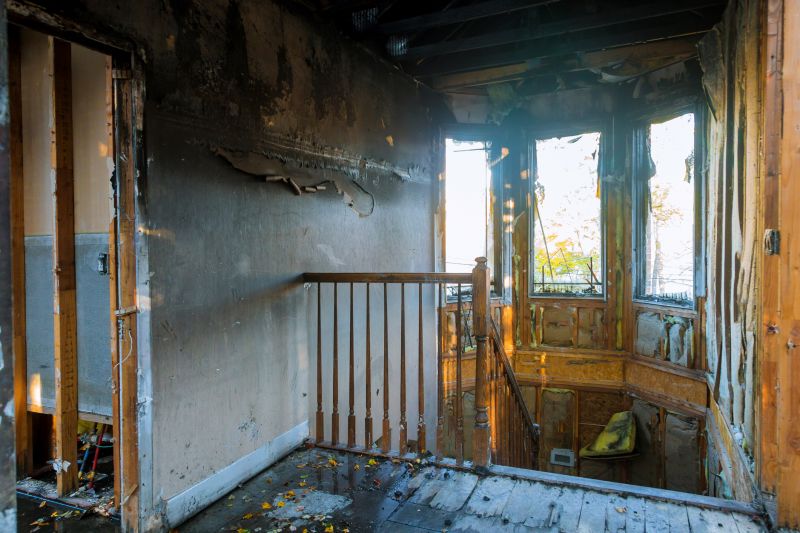
Content restoration and property finishing touches.
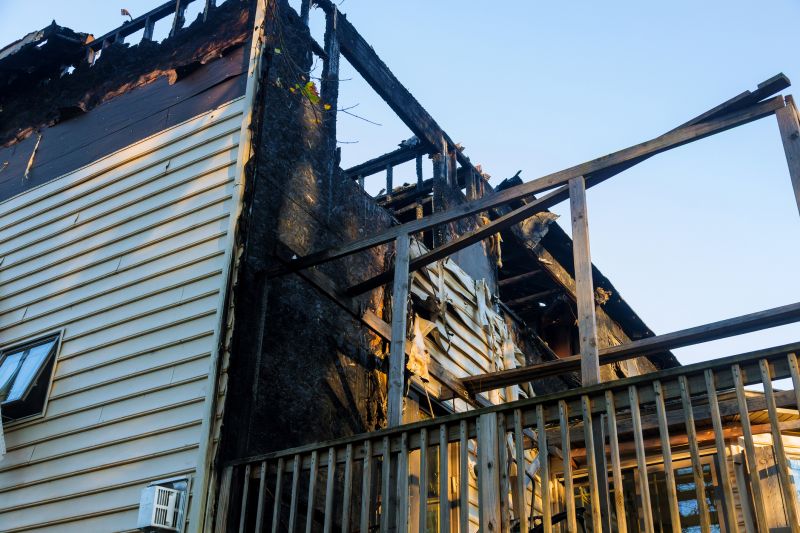
High-end options that actually feel worth it for Fire Restorations.
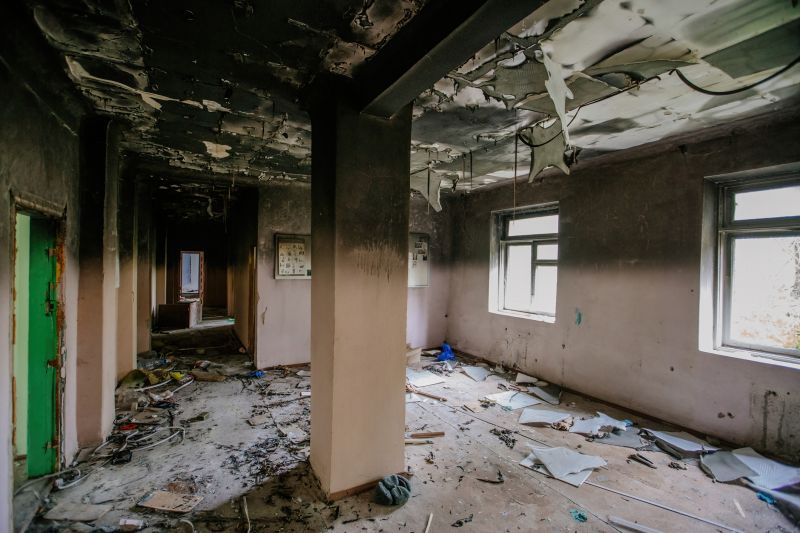
Finishes and colors that play nicely with Fire Restorations.

Little measurements that prevent headaches on Fire Restorations day.
A 60-second routine that keeps Fire Restorations looking new.
For those interested in fire restoration services, filling out the contact form can provide detailed information and assistance. Early engagement allows for better planning and scheduling, ensuring that restoration efforts align with optimal seasonal conditions for the best results.